An old filling or crown can seem harmless at first. It may not hurt. It may still look fine. You may even think it can wait until your next dental visit. But when a restoration starts to wear down, loosen, crack, or leak, delaying a filling or crown replacement can lead to bigger dental problems.
Fillings and crowns are made to protect teeth. They restore strength, cover damaged areas, and help you chew with comfort. But they don’t last forever. Over time, daily chewing, grinding, temperature changes, and normal wear can affect them.
Why Fillings and Crowns Need Replacement
A filling repairs a cavity or small damaged area. A crown covers and protects a tooth that has been weakened by decay, cracks, large fillings, or root canal treatment.
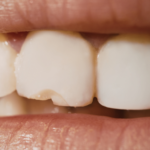
Both can last for many years, but they can still fail. A filling may chip, shrink, crack, or pull away from the tooth. A crown may loosen, break, or leave a small gap near the gumline.
When this happens, bacteria can enter the space between the restoration and the natural tooth. You may not notice it right away. That’s why regular dental exams matter. A dentist can often spot early issues before you feel pain.
What Happens If You Delay Treatment?
One of the biggest risks is tooth decay under the filling or crown. This type of decay can spread quietly because the damaged area is partly hidden. By the time you feel discomfort, the decay may already be deep.
A small repair can then turn into a larger treatment. Instead of replacing a simple filling, you may need a crown. If the nerve becomes infected, you may need a root canal. In some cases, if the tooth becomes too damaged, it may need to be removed.
Delaying care can also increase the risk of cracks. A weak tooth is less able to handle chewing pressure. If you bite down on something hard, the tooth may split or fracture. Some cracks can be repaired, but others can extend below the gumline and become more difficult to treat.
Signs Your Filling or Crown May Need Attention
You should book a dental visit if you notice any of these signs:
- Tooth sensitivity to cold, heat, or sweets
- Pain when biting or chewing
- A rough or sharp edge
- A loose or missing filling
- A crown that feels unstable
- Food getting stuck around the tooth
- Gum swelling or tenderness near the crown
- A dark line or stain around an old filling
- Bad taste or odor near the tooth
Even if there is no pain, a visible crack, gap, or change in your bite should be checked. Pain is often a late sign, not an early one.
Can You Wait If It Doesn’t Hurt?
Sometimes, yes, but only after a dentist checks the tooth. Not every worn filling or crown needs urgent treatment. Some can be monitored. Others should be replaced soon to prevent damage.
The problem is that it’s hard to judge this at home. A tooth can have decay under a crown without obvious symptoms. A filling can leak without falling out. A crown can feel secure but still have an opening at the edge.
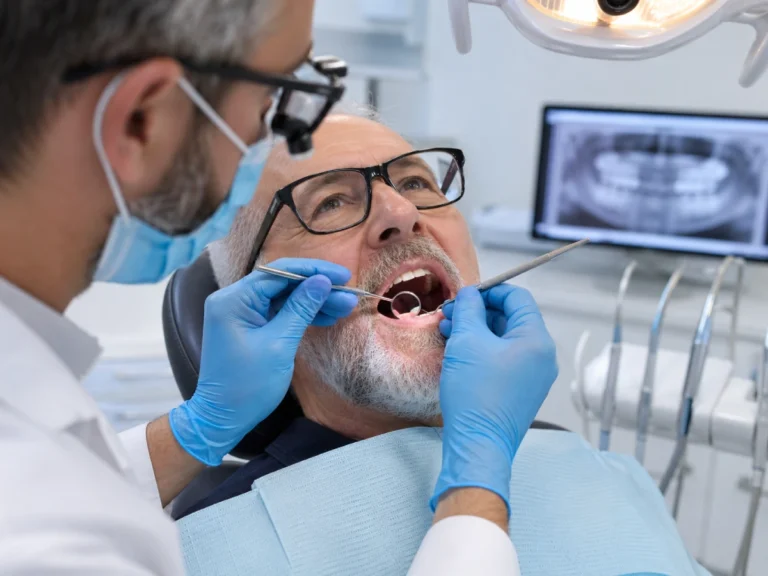
A dental exam and X-rays can show what is happening below the surface. This helps your dentist recommend the right timing and treatment.
How Dentists Replace Old Fillings or Crowns
If the issue is small, your dentist may remove the old filling and place a new one. If the tooth has lost more structure, a crown may be recommended for better protection.
For an old crown, the dentist will check the tooth underneath. If the tooth is healthy enough, a new crown can be made to restore strength and fit. If decay or infection is present, that must be treated first.
The goal is always to save as much natural tooth as possible while keeping your bite comfortable and your mouth healthy.
Don’t Let a Small Problem Become a Bigger One
Old fillings and crowns are easy to ignore, especially when they don’t hurt. But waiting too long can make treatment more complex, more costly, and less predictable.
If you have an old filling, loose crown, or tooth sensitivity, New Meadows Dental can help you understand your options. Book an appointment today to have your tooth checked and protect your smile before the problem gets worse.