
Dental Implants in Port Coquitlam can be a strong option if you are missing one tooth, several teeth, or have a tooth that cannot be saved. A dental implant is designed to replace the missing tooth root and support a crown, bridge, or denture.
For many patients, the idea of getting an implant feels overwhelming at first. That is normal. Once you understand the steps, the process often feels much easier to manage. From the first consultation to the healing stage, each part of treatment has a clear purpose.
What Is a Dental Implant?
A dental implant is a small post, usually made of titanium, that is placed into the jawbone. Over time, the bone heals around the implant and helps hold it in place. Once the implant is stable, a custom restoration can be added on top.
The final result is made to look, feel, and function like a natural tooth. Dental implants can help with chewing, speaking, smile appearance, and long-term bite support.
Step 1: The Dental Implant Consultation
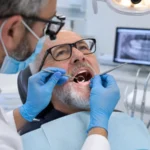
Your first visit is about understanding your needs. The dentist will examine your teeth, gums, bite, and jawbone. They may also take X-rays or 3D scans to see the bone structure more clearly.
What the Dentist Checks
During the consultation, the dentist will look at the missing tooth area, gum health, bone levels, and nearby teeth. They will also review your medical history. This helps determine whether implants are safe and suitable for you.
Some patients are ready for implant treatment right away. Others may need extra steps first, such as gum treatment, tooth extraction, or bone grafting.
Step 2: Treatment Planning
A proper plan is important for a successful result. Your dentist will explain how many implants may be needed, what type of restoration may be used, and how long the process may take.
Treatment time can vary. A single implant may take a few months from start to finish. More complex cases can take longer, especially if bone grafting or extra healing time is needed.
Why Bone Health Matters
Dental implants need enough healthy bone for support. If bone has shrunk after tooth loss, a bone graft may be recommended. A graft helps rebuild the area so the implant has a stronger foundation.
Not every patient needs this step. Your scan and exam will help confirm what is best.
Step 3: Implant Placement
Implant placement is usually done with local freezing to keep the area comfortable. The dentist places the implant into the jawbone with careful planning and precision.
Most patients are surprised that the procedure feels more manageable than expected. You may feel pressure, but you should not feel sharp pain during treatment.
After the implant is placed, the area needs time to heal.
Step 4: Healing and Recovery
Healing is a key part of dental implant treatment. During this stage, the implant connects with the bone. This process is called osseointegration.
What to Expect After Surgery
Mild swelling, soreness, or bruising can happen for a few days. Your dentist will give you instructions for eating, cleaning, and managing discomfort. Soft foods are often recommended at first.
You should avoid smoking, follow your care instructions, and keep the area clean. Good healing habits can lower the risk of complications.
Step 5: Placing the Final Tooth
Once the implant has healed, the dentist will attach the final crown, bridge, or denture. This restoration is custom-made to match your bite and smile.
The final tooth should feel stable and natural. It may take a short time to adjust, but most patients return to normal chewing and speaking comfortably.
How Long Do Dental Implants Last?
Dental implants can last many years with proper care. Daily brushing, flossing, regular dental visits, and healthy gums all matter.
Even though an implant cannot get a cavity, the gums and bone around it still need care. Poor cleaning habits can lead to inflammation and implant problems.
Are Dental Implants Right for You?
You may be a good candidate if you have missing teeth, healthy gums, enough bone, and good overall health. If you have diabetes, smoke, grind your teeth, or have gum disease, you may still be able to get implants, but your dentist will need to review your case carefully.
The best way to know is to book a consultation.
Final Thoughts
Dental implants can restore more than a missing tooth. They can improve comfort, chewing strength, confidence, and long-term oral health. The process takes planning and patience, but each step helps create a stable result.
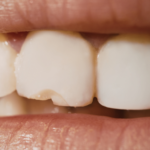
If you are considering dental implants, have a lost filling or crown, have dental pain, or are unsure how urgent your concern is, book an appointment with New Beam Dental Clinic. A dental exam can help you understand your options and choose the right next step.